Concrete surfaces such as balconies, breezeways, and flooring are designed to be long-lasting, but that doesn’t mean they won’t require maintenance as the years pass by. Concrete sealing is one of the most efficient ways to keep these surfaces looking good and lasting longer. While some property owners consider sealing an optional addition, it is actually a smart investment that preserves both the concrete and the property’s long-term worth.
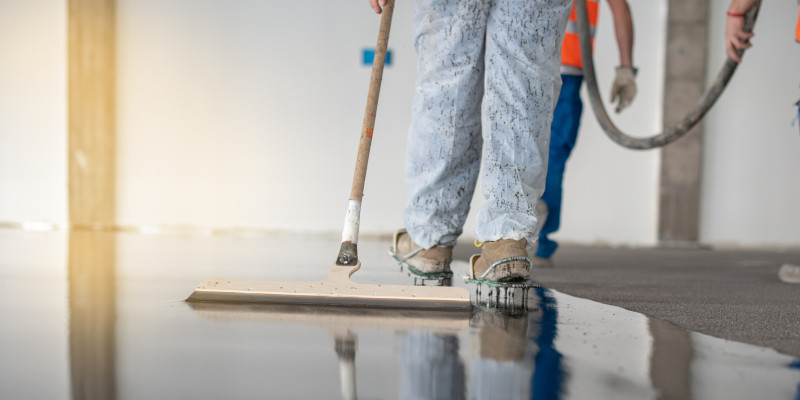
- First and foremost, sealing protects concrete against moisture damage. Concrete is naturally porous, which allows water to seep through tiny pores in the surface. Over time, this moisture can cause cracking, discoloration, and structural deterioration. Not only that, but in locations with fluctuating temperatures, stored moisture can expand and contract during freeze-thaw cycles, causing severe degradation. Concrete sealing creates a protective barrier to keep water from permeating the surface.
- Stain and contamination resistance are other significant advantages. Balconies, breezeways, and floors are high-traffic areas that are subjected to dirt, oils, chemicals, and common spills. Without sealing, these compounds will quickly soak into the concrete, causing permanent discoloration. Sealing reduces the surface’s absorbency, making spills easier to remove and maintaining a cleaner, more professional appearance.
- Concrete sealing improves both safety and maintenance. Many sealers improve slip resistance, which is particularly useful in breezeways and balcony areas where rain or humidity can cause slick conditions. At the same time, sealed surfaces are more resistant to dust and surface deterioration, reducing the amount of routine cleaning and maintenance that is needed.
- Finally, proper sealing improves the overall appearance of concrete. Sealers can intensify the color of ornamental concrete or provide a modest gloss to make surfaces appear newer and well-cared for.