It is commonly assumed that concrete is indestructible. This makes sense, as it is used in a variety of instances where strength and longevity are priorities. However, despite the assumptions, tiny capillaries and microcracks within the material allow water and moisture to penetrate over time. This is why waterproofing concrete is essential for protecting its longevity and performance.
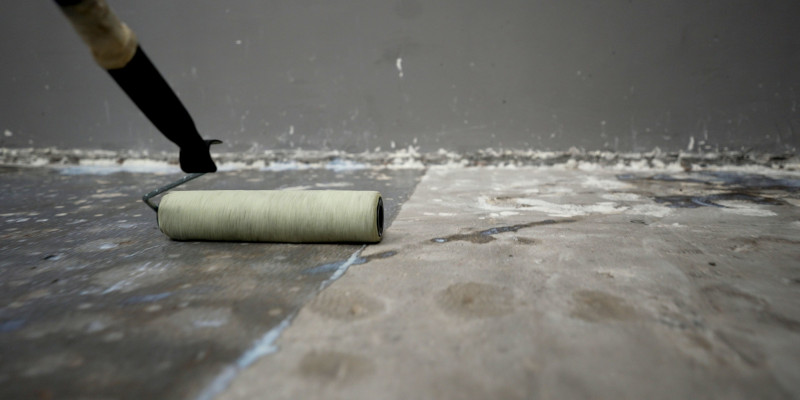
Here is a closer look at why waterproofing concrete matters.
- Helps Prevent Structural Damage: As mentioned, water seeps into concrete over time, which could lead to interior damage. In colder climates, the freeze-thaw cycle is also harmful. When water freezes inside concrete, it expands, expanding any existing fissures and weakening the material. Continual expansion can jeopardize structural integrity even more.
- Preserves Steel Reinforcing: Reinforcing steel, or rebar, gives concrete tensile strength, but it is prone to corrosion when exposed to moisture and oxygen. Additionally, if water penetrates the concrete and reaches the steel, rust can form. As steel corrodes, it expands, causing cracking, spalling, and more structural damage.
- Improves Moisture Control: Water intrusion can create wet conditions in basements, parking structures, and underground facilities, promoting mold growth and unpleasant odors. Waterproofing helps to keep moisture out while also enhancing indoor air quality and maintaining interior finishes.
- Cost-Effective Preventative Measure: Repairing water damage to concrete structures can be both expensive and troublesome, as addressing cracks, corrosion, and structural weakness frequently requires extensive restoration work. Property owners can save money on repairs and extend the service life of their structures by focusing on waterproofing measures early in the construction process or as part of routine maintenance.